Root Canal
What is Root Canal Treatment?
Root canal treatment is a dental procedure used to save severely damaged, infected, or decayed teeth by treating the inner pulp and root canals. When bacteria reach the inside of the tooth due to deep cavities, cracks, trauma, or infection, it can cause severe pain, swelling, and sensitivity. Root canal treatment removes the infected pulp, cleans and disinfects the canals, and seals the tooth to prevent further infection.
Modern root canal procedures are safe, effective, and designed to relieve pain while preserving the natural tooth structure. Advanced technology and anesthesia techniques help make the treatment comfortable and minimally painful for patients. In many cases, a dental crown is placed after treatment to restore strength and function to the tooth.
Root canal treatment helps patients maintain natural teeth, improve chewing ability, and prevent the need for tooth extraction. With proper care and regular dental checkups, treated teeth can remain healthy and functional for many years.
Is This Treatment Right for You?
You have severe tooth pain or sensitivity
You experience swelling or infection around a tooth
You have deep tooth decay or damage
You feel pain while chewing or biting
You want to save your natural tooth
You have a cracked or injured tooth affecting the nerve
Treatment Process
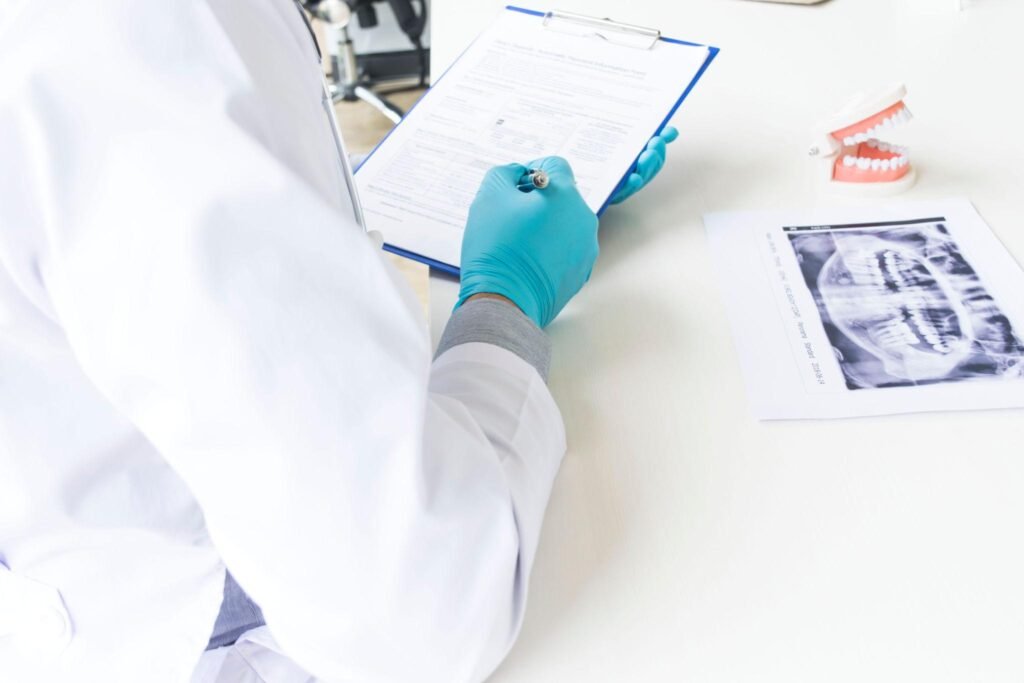
Consultation & Diagnosis
The process begins with a detailed dental examination to identify the cause of pain and infection. The dentist checks the affected tooth, surrounding gums, and oral health condition using digital X-rays and diagnostic tools. Symptoms such as sensitivity, swelling, and discomfort are carefully evaluated. This step helps determine whether root canal treatment is necessary and allows the dentist to create a personalized treatment plan for saving the natural tooth safely and effectively.
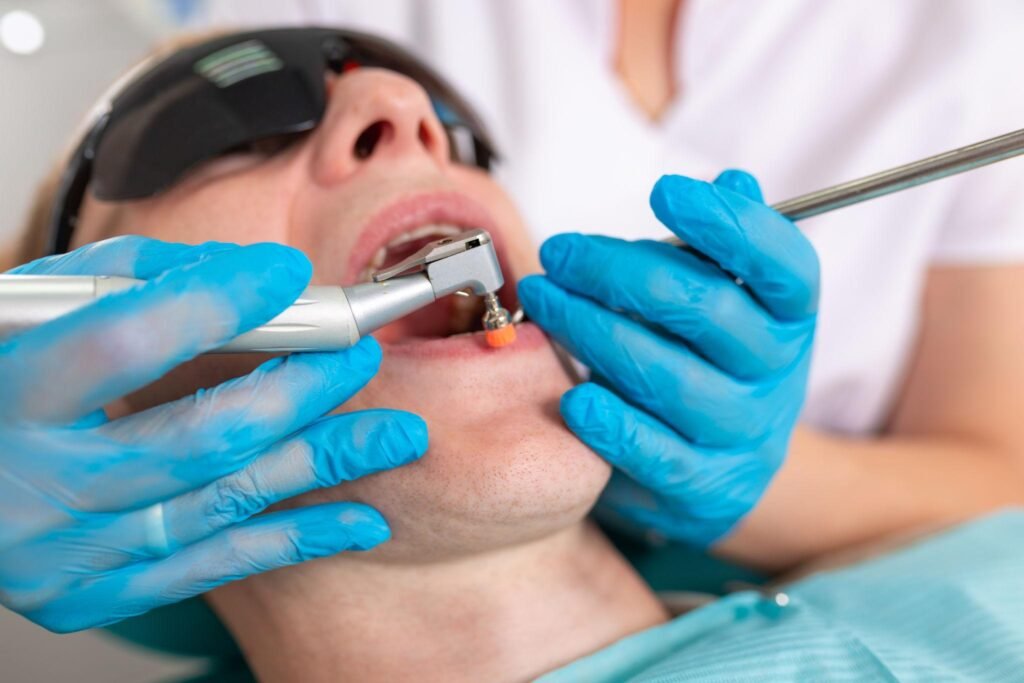
Cleaning & Removal of Infection
Once the treatment begins, local anesthesia is used to ensure patient comfort throughout the procedure. The dentist creates a small opening in the tooth to access the infected pulp inside the root canals. The damaged tissue and bacteria are carefully removed, and the canals are cleaned, shaped, and disinfected using advanced dental instruments. This step helps eliminate infection, relieve pain, and prevent further damage to the tooth and surrounding tissues.
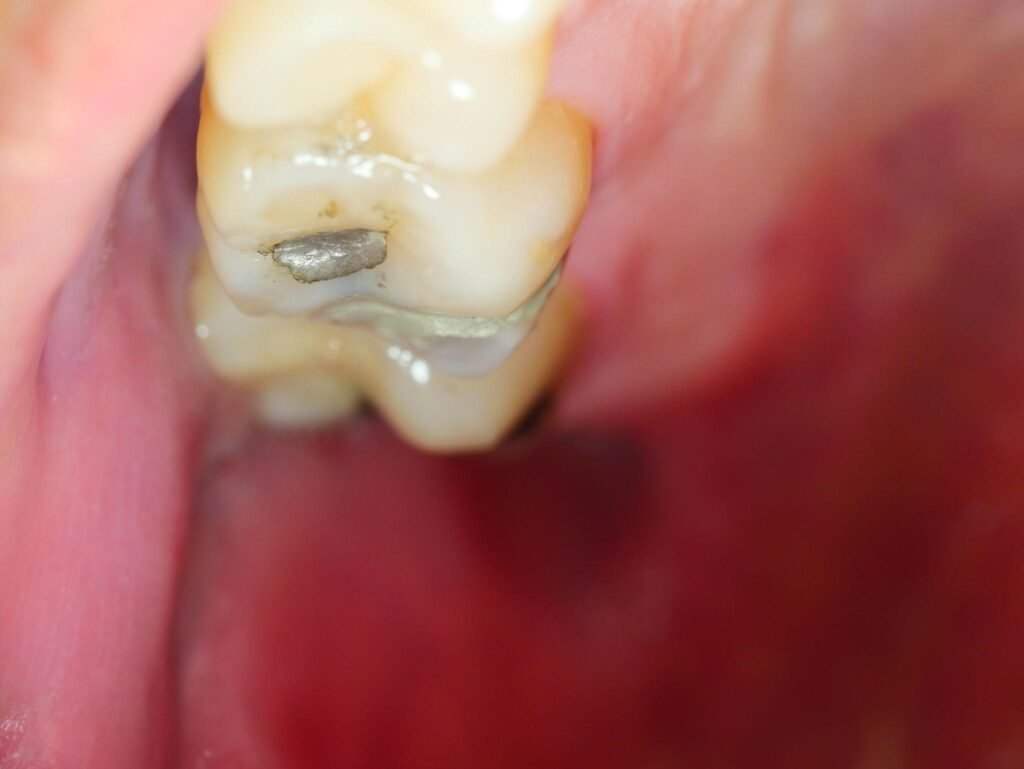
Filling & Sealing the Tooth
After the canals are thoroughly cleaned, they are filled with a special biocompatible material to seal the tooth and prevent reinfection. In many cases, a temporary or permanent filling is placed to restore the tooth structure. Depending on the condition of the tooth, a dental crown may be recommended to strengthen and protect it. Proper sealing and restoration help restore normal function and improve long-term durability.
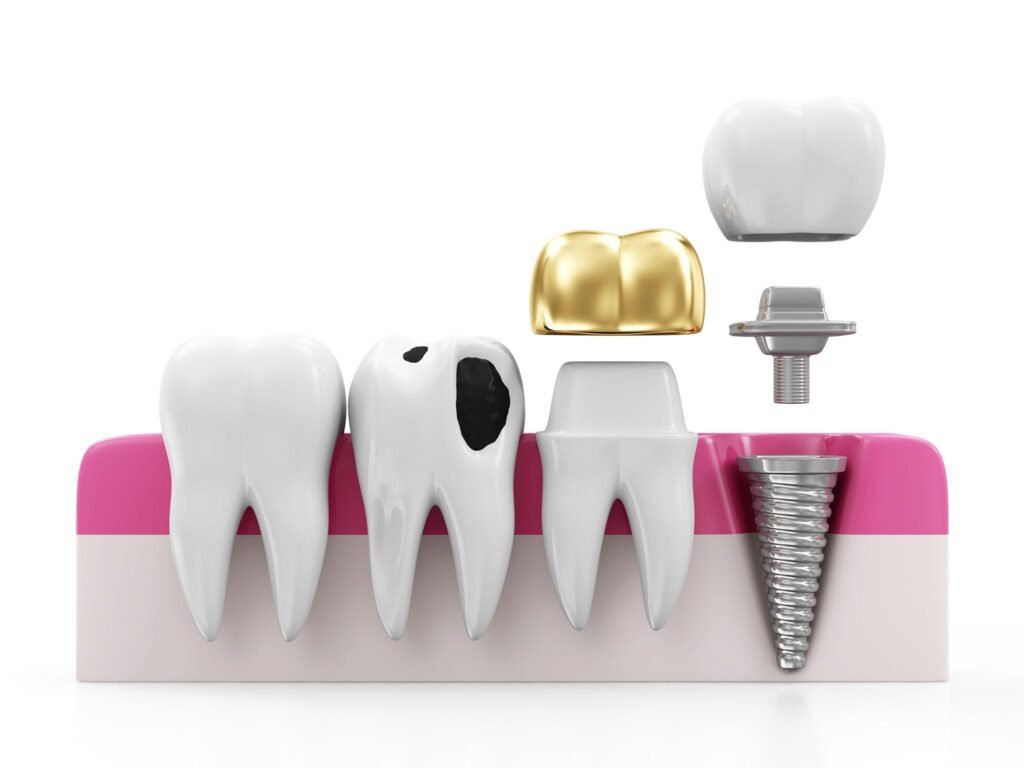
Recovery & Long-Term Care
After the procedure, patients receive guidance on oral care, medications, and recovery instructions to support proper healing. Mild sensitivity may occur temporarily, but most patients experience significant pain relief after treatment. Regular dental checkups and good oral hygiene are important to maintain the treated tooth and overall oral health. With proper care, a root canal-treated tooth can remain healthy, functional, and long-lasting for many years.
Why Choose Us

- Experienced root canal and endodontic specialists
- Advanced technology for precise and comfortable treatment
- Gentle and pain-managed procedures
- Personalized care with modern dental solutions
- Long-lasting treatment focused on saving natural teeth
Book Your Root Canal Consultation
Get a personalized assessment, transparent pricing, and a detailed treatment plan — all in a single visit.